
Storage Guide: How to Store Peptides Properly for Maximum Stability
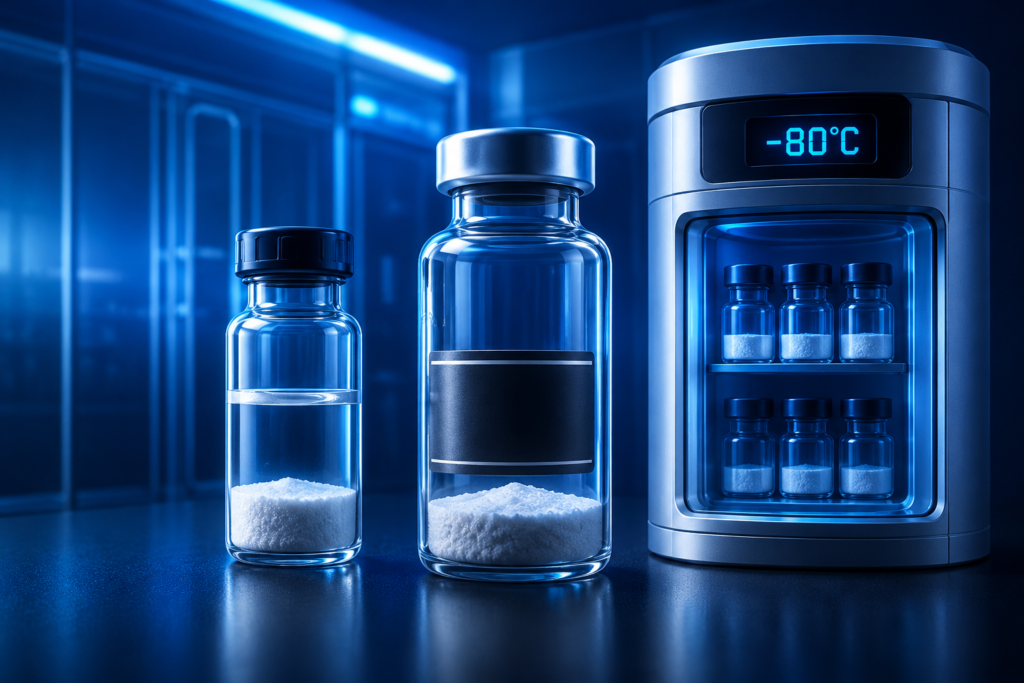
Peptides are sensitive research compounds. Their quality can be affected by heat, moisture, light, oxygen, and repeated handling. Even when a peptide is manufactured correctly, poor storage can reduce its stability over time. This is why proper storage is important. Good storage helps protect peptide integrity, preserve purity, and reduce the risk of degradation before […]
Lyophilized vs. Raw: Why Lyophilized Peptides Are More Stable
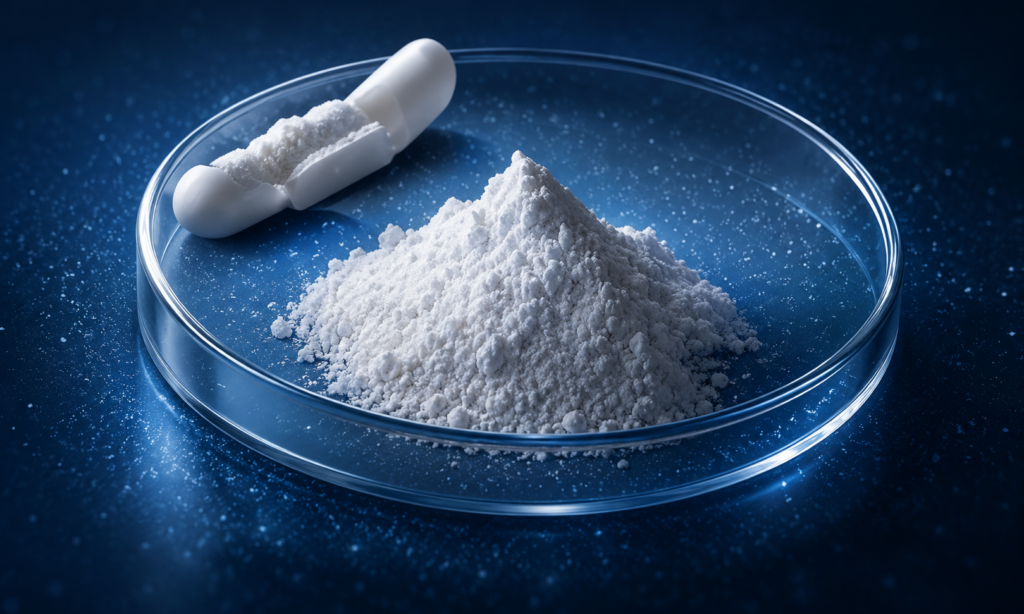
Peptides are sensitive compounds. Their stability can be affected by moisture, temperature, light, oxygen, and handling conditions. This is why many research peptides are supplied in lyophilized form instead of as ordinary “raw” or exposed powder. Lyophilized peptides are freeze-dried peptides. During lyophilization, water is removed under controlled low-temperature and vacuum conditions. The goal is […]
What Are Peptides? A Beginner’s Guide to How Peptides Work

Peptides are small chains of amino acids, the same building blocks that make up proteins. In simple terms, amino acids are like letters, peptides are short words, and proteins are longer sentences. A peptide is usually made of around 2 to 50 amino acids linked together by peptide bonds. Longer chains are generally called polypeptides […]